Unicorn Family: A Craft Fair Seller’s Review
As an embroidery designer who has spent countless hours behind a sewing machine and even more time standing behind a booth table at weekend markets, I have learned that not all designs are created equal. Some look beautiful on a screen but vanish in person. Others are so dense they ruin delicate fabrics. Today, I am putting the Unicorn Family machine embroidery design under the microscope. This is not just a technical review; it is a real-world assessment of whether this pattern belongs in your next craft fair product lineup.
The premise of the Unicorn Family is charming. It falls squarely into the Fairy Tales category, appealing to a demographic that loves whimsy, nostalgia, and soft aesthetics. The product description promises that it is very easy to embroider and stitches perfectly to any kind of fabric. For a small shop owner or an Etsy seller, "easy to embroider" is music to our ears. It suggests reliability, which is crucial when you are producing batch orders for a busy market season.
First Impressions and Market Appeal
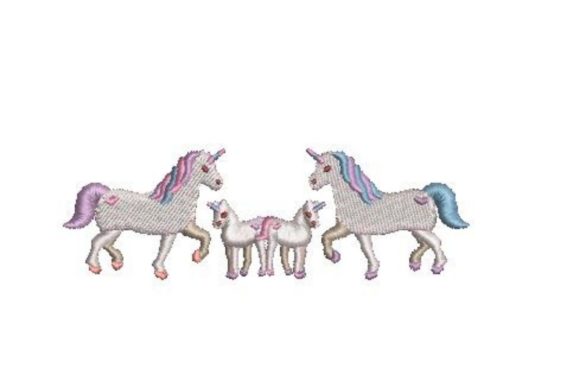
When I first loaded the digital embroidery file into my software, the immediate impression was one of approachable cuteness. The Unicorn Family does not try to be overly complex or hyper-realistic. Instead, it leans into a stylized, friendly look that reads well from a distance. In a bustling craft fair environment, you have seconds to catch a passerby’s eye. A design that is too intricate can look like a blur from three feet away. This design, however, offers clear shapes and recognizable motifs.
The theme fits seamlessly into the current trend of magical realism in home decor and accessories. It is not just for children; adults who appreciate the Fairy Tales aesthetic often buy these items for nurseries, as gifts, or for their own enjoyment of playful decor. This broadens your potential customer base significantly. Whether you are targeting boutique makers or creative entrepreneurs looking for unique gift items, the universal appeal of unicorns remains a strong sales driver.
Product Versatility: Where Does It Shine?
The true test of any embroidery design is its versatility. Can it survive on a thick denim tote bag? Does it get lost on a textured tea towel? Here is how I see the Unicorn Family performing across various handmade products.
- Tote Bag Design: This is likely your best seller. A canvas tote provides a flat, stable surface that highlights the design. The Unicorn Family works beautifully as a central focal point. Because the design is described as stitching perfectly to any kind of fabric, it should handle the weight of canvas without puckering, provided you use the correct stabilizer.
- Apron Embroidery: Kitchen aprons are huge in the handmade market. Placing this design on the bib of an apron creates an instant emotional connection. It feels personal and gift-ready. The whimsical nature of the design contrasts nicely with the utilitarian function of an apron.
- Tea Towel Embroidery: This is tricky. Tea towels have a loose weave. If the stitch density is too high, the towel will pucker. However, if the design is optimized for lighter fabrics, it can be a stunning addition. I recommend testing on a scrap piece of your specific towel stock first.
- Embroidered Patch: Patches are low-risk, high-reward items for craft fairs. You can make dozens in advance. The Unicorn Family shape seems conducive to being cut out as an iron-on or sew-on patch. This allows customers to add magic to their existing jackets or bags.
- Caps and Hats: Curved surfaces are the enemy of large, flat designs. If you plan to put this on a cap, ensure the design size is small enough to fit the front panel without distorting. The description mentions it is easy to embroider, which is vital for caps where tension issues are common.
Production Practicality for Small Shops
For an Etsy seller or a weekend warrior, time is money. The claim that this design comes with multiple embroidery file formats is a significant advantage. It means you are not stuck trying to convert files manually, which can sometimes corrupt stitch paths. Having the right file for your specific machine ensures that the finished product looks professional.
Batch production is where this design truly earns its keep. Because it is labeled as a fun project that is easy to execute, you can likely run multiple hoops in a row with minimal troubleshooting. This consistency is key for maintaining brand quality. When a customer buys two items, they expect them to look identical. A reliable digital embroidery file reduces the variance between units.
Photography is another critical factor. The Unicorn Family likely features distinct lines and possibly vibrant thread colors. These elements photograph well for online listings. Clear, bold designs create better thumbnails on mobile devices, where most Etsy browsing happens. A muddy or overly detailed design often fails to translate to small screens, but a strong silhouette like a unicorn family stands out.
Careful-Use Notes and Technical Considerations
While the description is optimistic, experienced designers know we must remain cautious. Here are specific areas where you need to pay attention before committing to a large production run.
- Fabric Texture: The phrase "stitching perfectly to any kind of fabric" is a bold claim. In reality, textured fabrics like waffle weave or heavy terrycloth can swallow small details. If the Unicorn Family has tiny facial features or thin lines, they may disappear on rough textures. Always do a test stitch.
- Dark Fabric: If you are embroidering on black or navy, ensure the design does not rely on subtle shading. High contrast is necessary for visibility. You may need to adjust your thread colors to ensure the design pops against dark backgrounds.
- Stabilizer Selection: Even an easy design requires the right foundation. For stretchy fabrics like t-shirts or tote bags, a cut-away stabilizer is usually best. For woven fabrics like aprons, a tear-away might suffice. Do not skip this step, or your hard work will pucker after washing.
- Hoop Size: Check the dimensions of the design against your hoop size. If the design is large, you might need a 5x7 or 6x10 hoop. Trying to squeeze a large design into a 4x4 hoop will result in cropping or distortion. Verify the included file sizes match your equipment.
Enhancing Visual Appeal and Brand Consistency
Using the Unicorn Family can strengthen your booth display strength. Imagine a table with coordinated items: a tote bag, a matching pouch, and a pillow cover, all featuring the same whimsical design. This creates a cohesive look that signals professionalism. It shows buyers that you are a serious maker with a curated collection, not just someone selling random scraps.
To maximize buyer engagement, consider creating a printable mockup before you stitch a single thread. Use design assets to visualize how the thread colors will look on different fabric swatches. This helps you decide whether pastel threads or vibrant primaries suit your brand better. Consistency in color palette across your small shop product line helps build brand recognition.
Furthermore, commercial embroidery rights are essential. Before you sell a single item, confirm the license terms included with the download. Most designers allow finished product sales, but some restrict mass production. Ensuring you are compliant protects your business and respects the original creator’s work.
Final Verdict for the Creative Entrepreneur
The Unicorn Family appears to be a solid addition to any embroidery designer’s library, particularly for those focusing on gift-oriented markets. Its strength lies in its simplicity and emotional appeal. It is not trying to be high-fashion; it is trying to be heartwarming. In the world of handmade goods, heartwarming sells.
My advice is to start small. Buy the file, test it on three different fabrics—canvas, cotton, and perhaps a textured towel. Check the stitch density and adjust your tension if needed. Create one perfect sample, take excellent photos, and list it as a premium handmade product. If it resonates with your audience, expand into the full range of tote bags, aprons, and patches. With careful attention to detail and a focus on quality execution, this design can become a staple in your craft fair inventory.