Pretty Applique: A Designer’s Craft Fair Review
As an embroidery designer who has spent countless weekends behind a booth table, I know that not every design translates equally well from the screen to the sales floor. When I first loaded Pretty Applique into my software, I was looking for more than just aesthetic appeal; I was looking for a reliable workhorse for my upcoming craft fair season. This machine embroidery design promises to make any fabric look sweet and modern, a claim that immediately caught my attention. In the competitive world of handmade markets, "sweet and modern" is a powerful combination that appeals to a broad demographic, from young parents to boutique owners looking for unique home decor.
First Impressions: The Visual Hook
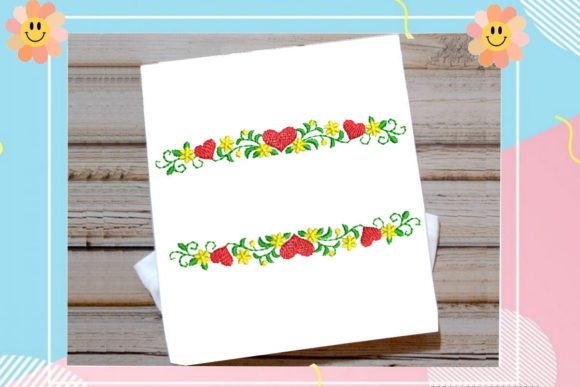
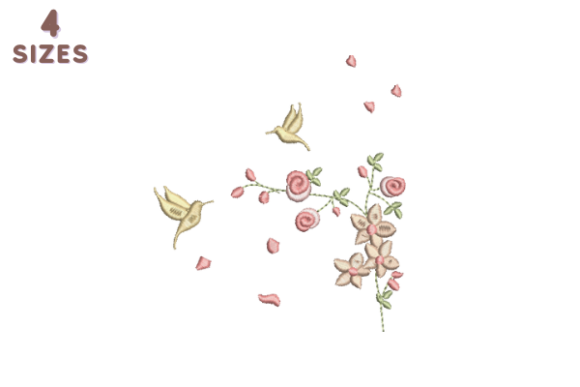
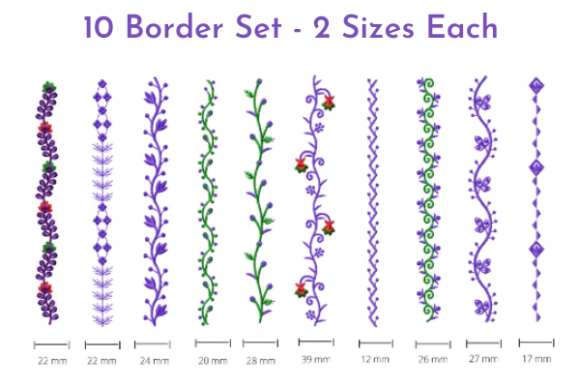
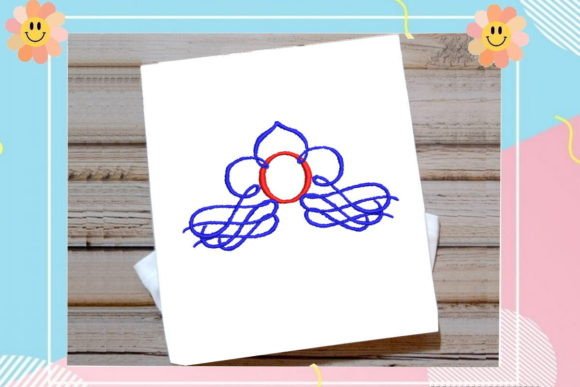
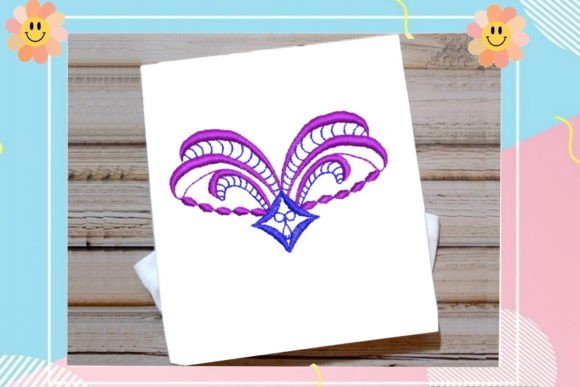
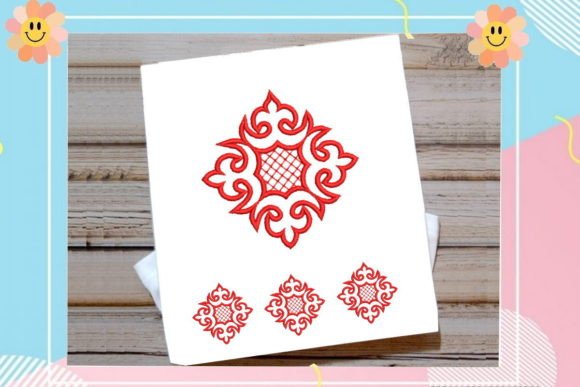
The initial view of Pretty Applique suggests a design that balances delicacy with clarity. As a Borders category item, it offers versatility that standalone motifs often lack. My first impression was that it feels decorative yet minimal enough to fit into current trends. It does not scream for attention with chaotic details; instead, it invites the viewer closer. For a craft fair product, this is crucial. Customers walking past a booth need to understand what they are looking at within seconds. If a design is too complex, it gets lost in the visual noise of a busy market. If it is too simple, it may not justify the price point. Pretty Applique sits comfortably in that golden middle ground, offering enough detail to showcase skill while remaining clean and approachable.
Product Potential: Where It Shines
To truly evaluate this embroidery file, I imagined it applied to various items in my inventory. Here is how I see it performing across different product lines:
- Tote Bags and Market Bags: This is arguably the strongest application. A tote bag offers a large, flat canvas where the border element can frame text or stand alone as a decorative edge. The tote bag design potential here is high because the applique technique adds texture without excessive weight, keeping the bag functional.
- Aprons and Tea Towels: For kitchen textiles, the "sweet" aspect of the design shines. Apron embroidery benefits from designs that feel homey and welcoming. Similarly, tea towel embroidery requires durability and washability. Applique designs, when stitched correctly, hold up well to laundering, making them ideal for these high-use items.
- Embroidered Patches: Creating an embroidered patch allows for batch production. You can stitch multiple patches on a single piece of stabilizer, cut them out, and sell them as add-ons or iron-on accessories. This maximizes the utility of the digital embroidery file.
- Pillow Covers and Home Decor: Placing this border along the hem of a pillow cover adds a custom, high-end feel. It elevates a basic linen cover into a handmade product that commands a higher price.
Production Practicality for Small Shops
For any Etsy seller or small shop owner, time is money. One of the key advantages of Pretty Applique is its potential for repeatability. Unlike dense, solid-fill designs that can take hours and consume vast amounts of thread, applique designs generally rely on fabric placement. This means you can reduce stitch density concerns slightly, as the fabric provides the color bulk. However, this introduces a new variable: precision. You must ensure your hoop alignment is perfect. If the fabric shift is noticeable, the clean lines of the border will suffer.
Photography is another critical factor. Does it photograph well? Yes. The contrast between the applique fabric and the base material creates natural depth in photos. This makes creating a printable mockup or real-life listing images much easier. The design assets provided likely include clear guidelines, but seeing the texture in person helps buyers appreciate the finished product quality.
Careful-Use Notes and Technical Considerations
While Pretty Applique is versatile, it is not without its technical demands. As a designer, I must advise caution in several areas:
- Fabric Texture: Applique works best on smooth, tightly woven fabrics. Using it on highly textured towels or loose knits can result in puckering or uneven edges. Always test on scrap fabric first.
- Stabilizer Selection: Because applique involves multiple layers (base fabric, applique fabric, and stitching), choosing the right stabilizer is vital. A cut-away stabilizer is often recommended for garments that will be washed frequently, while tear-away might suffice for decorative home decor items that see less wear.
- Curved Surfaces: Applying a border design to curved surfaces like caps can be tricky. The design may distort if the hoop tension is not adjusted perfectly. For caps, consider scaling the design down slightly to accommodate the curve.
- Thread Contrast: The success of this design relies heavily on thread colors. Ensure your satin stitch border contrasts sufficiently with both the base fabric and the applique fabric. Low contrast can make the design look muddy from a distance.
Enhancing Brand Consistency and Value
Incorporating Pretty Applique into your lineup can strengthen your brand identity. If your brand leans towards modern farmhouse, boho-chic, or soft minimalism, this design aligns perfectly. It signals to customers that you pay attention to detail. The use of applique suggests a higher level of craftsmanship compared to simple straight-stitch designs. This perception of quality allows for better pricing strategies. When customers see the layered texture and clean finish, they understand the value of the commercial embroidery work involved.
Furthermore, using a consistent design element like this across different products—such as matching tote bags and aprons—creates a cohesive booth display. It encourages bundle purchases. A customer might come for the apron but leave with the matching tea towel because the design language connects them visually.
Final Designer Verdict
Before you commit to full-scale production, there are essential steps to take. First, verify the specific hoop size requirements. While the description mentions it fits various items, knowing the exact dimensions ensures it fits your standard hoops without re-hooping frustrations. Second, confirm the commercial licensing terms. As a digital embroidery file purchaser, you must ensure you have the rights to sell the finished product physically. Most designers allow this, but always read the license included with the download.
Create at least one real mockup on your intended final fabric. Compare how it looks on cotton versus linen. Check the spacing of the border elements to ensure they do not crowd each other when scaled. If the design includes tiny details, ensure your machine can handle them without thread breaks.
In conclusion, Pretty Applique is a strong contender for any embroidery business looking to expand its small shop product range. It offers the sweet, modern aesthetic that sells well at craft fairs and online. By paying attention to fabric choice, stabilizer support, and thread contrast, you can turn this embroidery design into a bestseller. It is not just a pattern; it is a tool for building a recognizable, high-quality brand presence in the handmade market.