The Little Fisherman: A Craft Fair Review
As an embroidery designer who has spent countless weekends standing behind booth tables, I have learned that not every design translates into a bestseller. Some designs look stunning on a screen but vanish in a crowded market hall. Others become the unexpected heroes of a display, drawing customers in with their charm and simplicity. Today, I am reviewing The Little Fisherman, a machine embroidery design that promises to give fabrics an extraordinary look. Having worked with similar themes for years, I want to break down how this specific asset performs in the real world of handmade sales, particularly for those targeting the camping and outdoor lifestyle niche.
First Impressions and Market Fit
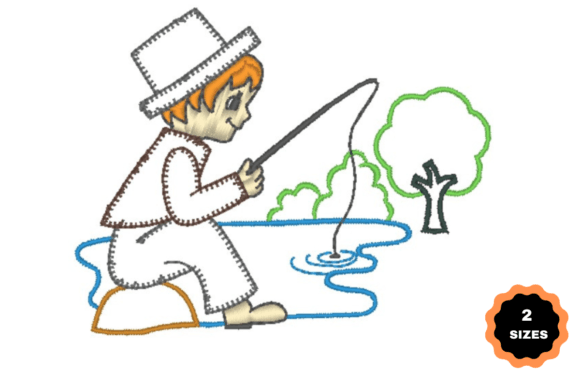
When I first loaded the digital embroidery file into my software, the immediate impression was one of whimsical nostalgia. The title, The Little Fisherman, suggests a narrative. It is not just a fish; it is a character. This storytelling element is crucial for craft fair products. Customers at handmade markets are not just buying an object; they are buying a feeling. This design feels rustic, soft, and approachable. It fits perfectly into the current trend of cottagecore and outdoor-inspired decor.
For sellers focusing on Camping or outdoor themes, this design is a goldmine. It bridges the gap between rugged utility and cute aesthetics. It is not overly masculine, which allows it to appeal to a broader demographic, including parents looking for gender-neutral nursery items or adults who appreciate a touch of humor in their kitchenware. The description notes that it comes with multiple embroidery options, which is a significant advantage. Versatility in sizing means you can adapt the same purchase for different product lines, maximizing your return on investment.
Product Applications That Sell
The true test of any design is its application. Where does The Little Fisherman shine? Based on my experience with similar motifs, here are the top contenders for your next production batch.
- Tote Bag Design: A canvas tote is the perfect canvas for this motif. Placed centrally or in the lower corner, the fisherman becomes a focal point. Canvas holds stitches well, and the natural texture complements the rustic theme.
- Apron Embroidery: Kitchen aprons, especially those in linen or heavy cotton, benefit from a chest-pocket accent. This design is small enough to sit neatly above a pocket without overwhelming the garment, making it a high-value handmade product.
- Tea Towel Embroidery: Tea towels are impulse buys at craft fairs. A simple hem-stitched towel with The Little Fisherman near the bottom edge creates an elegant, finished look that elevates a basic item into a giftable treasure.
- Embroidered Patch: If the design scales down well, turning it into an iron-on or sew-on patch is a smart move. Patches are low-cost, high-margin items that allow customers to customize their own jackets or bags.
- Caps and Hats: Curved surfaces are tricky, but a small version of this design on the front panel of a dad hat can be very appealing. However, you must check the stitch density to ensure it does not pucker the fabric.
Production Practicality and Batch Efficiency
For an Etsy seller or small shop owner, time is money. The description states that this machine embroidery design comes with multiple embroidery sizes or formats (implied by "multiple embr"). This is vital for batch production. You do not want to spend hours resizing and re-digitizing. If the file includes various hoop size adaptations, you can switch from a 4x4 hoop for patches to a 5x7 or 6x10 for tote bags seamlessly.
Photography is another critical factor. The Little Fisherman likely features distinct shapes that photograph well. When creating your printable mockup or listing images, ensure you use high-contrast thread colors against the fabric. A dark navy thread on a cream linen looks premium and reads clearly in thumbnail images. Avoid low-contrast combinations like light gray on white, as they get lost in online browsing.
Technical Considerations for Quality Control
Before you commit to a large run of commercial embroidery products, you must address the technical realities. The description mentions sewing onto "any fabric that needs a nice accent," but experienced designers know that fabric choice dictates success.
- Stitch Density: Check the stitch count. If the design is too dense for lightweight fabrics like voile or thin cotton, it will pucker. Always use the appropriate stabilizer. For toweling, a cut-away stabilizer is often necessary to support the stitches against the looped fabric texture.
- Tiny Details: Look closely at the face of the fisherman or any small accessories. If these details are too small, they may merge together during stitching. Test stitch on scrap fabric first. If the eyes or mouth disappear, consider simplifying the thread colors or increasing the size.
- Thread Colors: Stick to a limited palette. Three to four thread colors usually suffice for a clean look. Too many color changes increase production time and the risk of thread breaks.
- Hooping: Ensure the design fits comfortably within your chosen hoop size with adequate margin. Never stretch knitted fabrics tightly, as this distorts the final image of The Little Fisherman.
Boosting Brand Consistency and Visual Appeal
In a crowded craft fair booth, visual cohesion draws the eye. If your brand focuses on nature, outdoors, or handmade warmth, The Little Fisherman reinforces that identity. It acts as a consistent visual anchor across different product types. A customer might buy a tea towel because they liked the design, then return later for a tote bag because they recognize the style. This recognition builds trust and brand loyalty.
Furthermore, this design adds perceived value. A plain muslin bag costs little. That same bag with a professionally embroidered character feels like a boutique item. You can charge a premium for the labor and artistry involved. The key is to present it as a finished product, not just a stitched item. Press your garments, trim all jump stitches, and package them with care. The quality of the finish reflects directly on the quality of the design assets you chose.
Final Verdict for Creative Entrepreneurs
The Little Fisherman is a strong contender for your next collection. It is versatile, emotionally resonant, and commercially viable. It works exceptionally well for camping-themed goods, nursery decor, and kitchen textiles. However, success depends on execution. Do not assume the file is perfect for every fabric. Test it. Adjust your tension. Choose your thread colors wisely.
Remember to verify the license terms. Since you are selling finished products, ensure your purchase of the digital embroidery file includes commercial rights. Most reputable designers allow this, but always confirm. Once you have cleared the legal and technical hurdles, this design can become a staple in your inventory. It is the kind of charming, understated elegance that turns casual browsers into committed buyers. For the handmade shop owner looking to expand their outdoor or rustic line, The Little Fisherman is worth the hoop time.