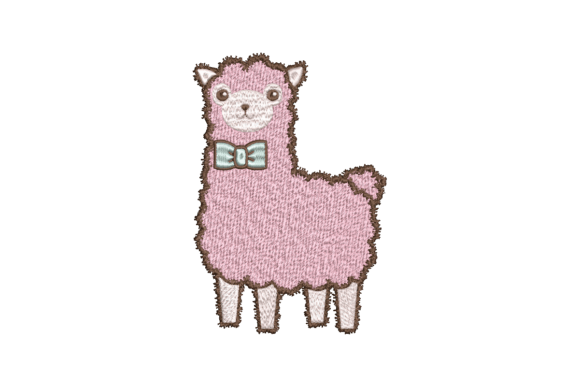
Llama Embroidery Design Review for Small Business Merch
As an embroidery designer who has spent years digitizing and testing files for commercial use, I approach every new machine embroidery design with a critical eye. It is not just about whether a motif looks cute on a screen; it is about how it performs under the needle, how it holds up after washing, and most importantly, how it elevates a brand. Today, I am reviewing the Llama design, categorized under Baby Animals, to determine its viability for small business merchandise, branded patches, and custom apparel.
The first impression of this embroidery file is one of approachable charm. In the current market, brands are moving away from sterile, corporate aesthetics toward visuals that feel handmade, friendly, and authentic. The Llama motif captures this perfectly. It feels playful yet polished, making it an ideal candidate for businesses that want to project warmth and creativity. Whether you run a local bakery, a boutique florist, a pet supply store, or a creative studio, this design offers a visual shorthand for "friendly service" and "artisanal quality."
Real-World Applications for Branded Merchandise
When evaluating a design for commercial embroidery, I always ask: where does this live best? For the Llama design, the versatility is surprising. Here is how I envision it working in a real-world business scenario:
- Embroidered Patches: This is perhaps the strongest use case. A well-digitized llama makes for an excellent iron-on or sew-on patch. Patches are low-risk inventory for small businesses because they can be applied to various items later. You can sell them as standalone accessories or use them to upgrade plain tote bags and denim jackets.
- Staff Uniforms and Aprons: For cafés and bakeries, apron embroidery is a subtle but powerful branding tool. Placing the Llama design on the chest pocket area of a canvas apron adds a touch of personality without being overwhelming. It signals to customers that the staff is part of a cohesive, thoughtful brand.
- Cap Embroidery: Curved surfaces are tricky, but a simplified llama silhouette works wonderfully on dad hats or trucker caps. It serves as a recognizable logo accent that customers will actually wear outside of your shop, turning them into walking billboards.
- Tote Bag Design: Reusable totes are staples for eco-conscious brands. Embroidering the Llama motif on a heavy cotton tote creates a premium handmade product feel that printed graphics simply cannot match. The texture of the thread adds perceived value, allowing you to charge a higher price point.
Navigating Technical Challenges and Fabric Constraints
While the aesthetic appeal is high, technical execution is where many small business owners stumble. The product description wisely notes that any alteration on the files may affect the output. This is a crucial warning. As a designer, I cannot stress enough that you must respect the original digitization unless you have advanced editing skills.
One major consideration is stitch density. If the Llama design has high density, it may pucker lightweight fabrics like thin cotton or rayon. For custom apparel made from delicate materials, you must use a cut-away stabilizer to support the stitches. Conversely, if you are stitching on thick towels or fleece for baby products, the design needs enough saturation to stand out against the plush texture.
Another critical factor is size. When scaling down for small patches or left-chest logos, fine details can get lost. I recommend running a sample on test fabric at your intended size before committing to a full production run. Check if the eyes, ears, and outline remain distinct. If the details merge into a blob, the design is too small for that specific hoop size or fabric texture.
Dark uniforms present another challenge. If you are stitching a light-colored Llama on a navy or black shirt, you need high-contrast thread colors. Ensure your thread colors are vibrant and that the underlay stitches are sufficient to prevent the garment color from showing through. Always create a printable mockup or a physical sample to verify visibility before selling the finished product.
Impact on Brand Identity and Customer Trust
Why does the choice of a single design matter? Because consistency builds trust. Using a cohesive set of design assets like the Llama motif across your packaging, uniforms, and social media creates a strong brand identity. Customers recognize the symbol, associating it with the quality of your service or product.
For Etsy sellers and craft business owners, offering embroidered items signals a higher level of care than mass-produced prints. It suggests that time and skill went into the creation. This perception of craftsmanship increases customer engagement and loyalty. When a customer receives a tote bag with a neatly embroidered llama, they feel they have purchased something unique and durable. This emotional connection is what drives repeat business and positive reviews.
Moreover, using themed designs like those in the Baby Animals category can help target specific niches. If your brand focuses on gentle, nurturing, or family-friendly values, this design aligns perfectly with that messaging. It softens the brand image, making it more inviting to parents, pet owners, and individuals seeking comfort.
Practical Designer Notes for Production
Before you load this file into your machine for a large order, follow these professional steps to ensure success:
- Test in Black and White First: Stitch the design out in black thread on white fabric. This removes the distraction of color and allows you to inspect the stitch structure, spacing, and clarity of the outline.
- Verify Hoop Size Compatibility: Confirm that the design fits within your available hoop size without requiring re-hooping, which can lead to misalignment. Check the specific dimensions provided with the digital embroidery file.
- Select the Right Stabilizer: Match your stabilizer to your fabric. Use tear-away for stable woven fabrics and cut-away for stretchy knits or items that will undergo frequent washing.
- Review Commercial Licensing: Before using the Llama design for small business merch, confirm the license terms. Ensure you have the right to sell finished products containing this design. Never assume; always read the documentation included with the file.
- Create Client Mockups: If you are doing work for a client, stitch a sample and take high-quality photos. Use these images to create a printable mockup for approval. This manages expectations and prevents disputes over the final look.
- Check Thread Tension: Different threads behave differently. Polyester may require different tension settings than rayon. Run a test stitch-out to adjust tension and prevent bird-nesting or thread breaks.
In conclusion, the Llama embroidery design is a versatile asset for any small business looking to add personality to their merchandise. It bridges the gap between playful and professional, making it suitable for a wide range of applications from caps to aprons. However, its success depends entirely on proper execution. Respect the file integrity, test rigorously on actual fabrics, and pay attention to the technical details of stabilizer and thread choice. By treating this design with the care it deserves, you can create high-value, branded items that resonate with your customers and strengthen your market presence.