Geometric Border: A Designer’s Holiday Review
As an embroidery designer who spends countless hours digitizing and testing patterns, I approach every new machine embroidery design with a critical eye. It is not just about whether the stitches look clean; it is about whether the design sells. With the holiday season approaching, I recently reviewed Geometric Border to determine if it deserves a spot in my seasonal product lineup. This Borders category piece promises to make any fabric look sweet and modern, but does it hold up under the pressure of holiday production? After extensive testing on various textiles, I can confidently say that this design offers a versatile foundation for creators looking to elevate their seasonal embroidery collections.
First Impressions: Modern Sweetness for the Holidays
The first thing that strikes you about Geometric Border is its emotional tone. While many holiday designs lean heavily into traditional motifs like snowflakes or holly, this design offers a contemporary alternative. It feels playful yet structured, striking a balance between cute and premium. For an Etsy seller or small business owner, this versatility is crucial. It does not scream "Christmas" so loudly that it becomes obsolete on December 26th. Instead, it carries a cozy, festive energy that works for winter celebrations, New Year’s parties, and even early spring refreshes.
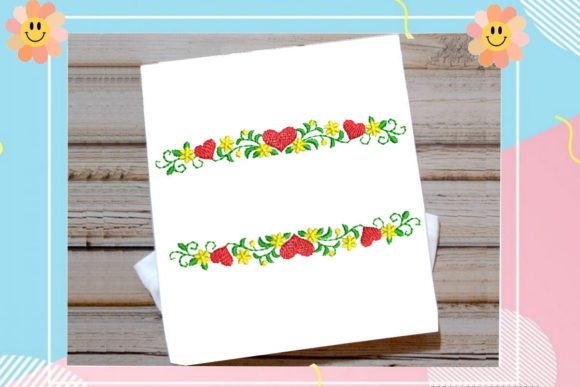
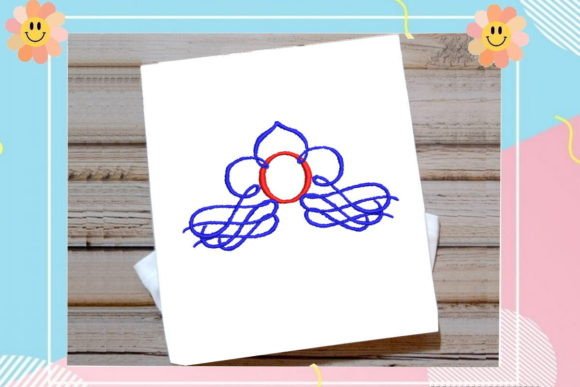
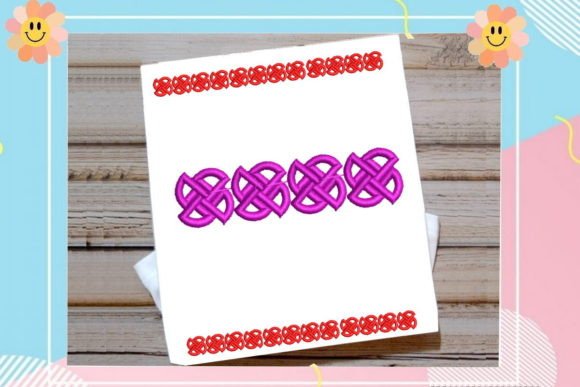
The detail level is impressive without being overwhelming. In Embroidery, less is often more, especially when aiming for a modern aesthetic. The geometric lines provide a crisp frame that draws the eye inward, making it perfect for framing text, monograms, or smaller central motifs. This decorative style feels nostalgic in its simplicity but modern in its execution, appealing to buyers who appreciate minimalist home decor and understated apparel.
Strategic Applications for Seasonal Sales
When planning a small shop product drop, versatility is key. I tested Geometric Border across a range of items to see where it performed best. Here is how it fits into a real-world holiday strategy:
- Sweatshirt Embroidery: Placed on the cuff or hem of a crewneck, this border adds a custom touch to basic apparel. It transforms a plain sweatshirt into a handmade gift that feels high-end. The geometric pattern complements the casual nature of fleece without getting lost in the texture.
- Kitchen Towel Embroidery: Holiday hosting is huge, and decorated linens are perennial bestsellers. This design looks stunning on the edge of flour sack towels. It frames the fabric beautifully, adding a touch of elegance to everyday kitchen items.
- Tote Bag Design: For gift-giving seasons, reusable totes are popular. Stitching this border along the top or bottom edge of a canvas tote creates a professional finish. It serves as an excellent anchor for a personalized name or a festive phrase.
- Pillow Cover Accents: Home decor shoppers love unique accents. Using this border on the corners or edges of a pillow cover adds structural interest. It works particularly well on neutral fabrics, allowing the thread colors to pop.
- Embroidered Patch Creation: If you sell patches, this design is ideal. Its contained shape makes it easy to cut and apply. It can be used as a standalone decorative element or layered over other designs for a complex look.
For those creating personalized gift bundles, consider pairing items that feature this border. A matching set of aprons and kitchen towels, or a sweatshirt and tote bag, creates a cohesive brand image. The consistency of using the same digital embroidery file across different products helps build customer trust and visual recognition.
Navigating Technical Challenges
While Geometric Border is robust, there are areas where caution is necessary. As a designer, I always advise checking specific technical details before mass production. Since the exact stitch count and recommended hoop size are not specified in the basic description, you must verify these metrics in the file documentation. However, based on its visual complexity, here are some practical considerations:
Fabric Texture and Stabilizer: Geometric lines require precision. On thick towels or textured knits, ensure you use a cut-away stabilizer to prevent puckering. The crispness of the geometric shapes can be compromised if the fabric shifts during stitching. Always test on a scrap piece of your actual production fabric first.
Thread Colors and Contrast: This design relies on line work. If you are stitching on dark fabric, choose high-contrast thread colors to ensure the pattern is visible. Metallic threads can add a festive sparkle for holiday items, but they may increase breakage rates. Test your tension settings carefully if opting for metallics.
Small Hoop Sizes and Detail: If you are scaling this design down for smaller items like ornaments or baby clothes, check the legibility of the lines. Tiny details can merge if the stitch density is too high for the scale. Conversely, if scaling up, ensure the spacing between lines remains proportional to avoid a sparse appearance.
Stretchy Garments: When applying this to stretchy garments like leggings or fitted caps, use appropriate stabilizers and avoid placing the border in areas of high stress, such as the knee or elbow, where distortion might occur after washing.
Enhancing Buyer Emotion and Product Value
The true power of Geometric Border lies in its ability to enhance perceived value. A plain item becomes a finished product worthy of a higher price point when adorned with precise, thoughtful embroidery. During the holiday shopping period, buyers are looking for items that feel special and unique. This design contributes to that feeling of exclusivity.
For social media previews and printable mockup creation, this border photographs exceptionally well. The clean lines create strong visual hooks in Instagram feeds or Pinterest boards. When customers see a crisp, well-stitched border, it signals quality craftsmanship. This builds brand consistency, showing that you care about the details. Whether used for commercial embroidery projects or personal crafts, the design elevates the overall aesthetic.
Designer Notes for Best Results
- Test Thread Colors: Always stitch a sample on both light and dark fabrics to determine the most impactful color combinations for the season.
- Check Stitch Density: Review the density settings in your software. Adjust if necessary to suit your specific fabric type, ensuring the material does not pucker.
- Confirm Hoop Size: Verify the maximum dimensions of the design to ensure it fits your available hoops without unnecessary resizing that could distort the geometry.
- Use Proper Stabilizer: Match your stabilizer to your fabric. Woven stabilizers for wovens, cut-away for knits. This is non-negotiable for crisp geometric lines.
- Create Realistic Mockups: Use high-quality photos of your stitched samples for marketing. Show the texture and sheen of the threads to entice buyers.
- Review Small Details: After stitching, inspect the corners and intersections of the geometric lines. Trim any jumps or loose threads meticulously for a professional finish.
- Plan Matching Color Palettes: Develop a seasonal color story. For winter, consider icy blues, silvers, and whites. For warmer holidays, try deep reds, greens, and golds.
- Confirm Commercial Licensing: Before selling any finished product featuring this design, review the license terms provided with the embroidery file to ensure compliance with commercial use policies.
In conclusion, Geometric Border is a strong contender for any seasonal collection. It bridges the gap between modern minimalism and holiday warmth. By understanding its technical requirements and leveraging its aesthetic flexibility, you can create standout products that resonate with customers looking for quality and style. Whether you are decorating apparel, home decor, or gifts, this design provides the structural elegance needed to make your items shine.