Bear Studying: A Designer’s Review for Boutique Sweatshirts
As an embroidery designer who has spent years digitizing and testing patterns for small clothing brands, I approach every new machine embroidery design with a critical eye. It is not just about whether the image looks cute on a screen; it is about how that design translates into thread on fabric. Recently, I evaluated Bear Studying for a potential inclusion in a premium sweatshirt collection for a boutique client. The goal was simple: determine if this adorable motif could elevate a basic garment into a high-value handmade product. After reviewing the layout, stitch personality, and potential applications, I am ready to share my professional assessment of how this design performs in a real-world commercial setting.
First Impressions: Mood and Stitch Personality
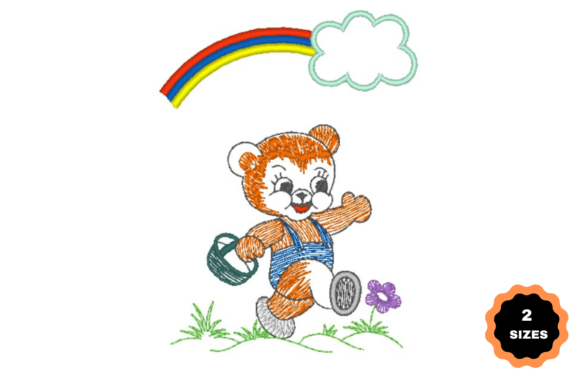
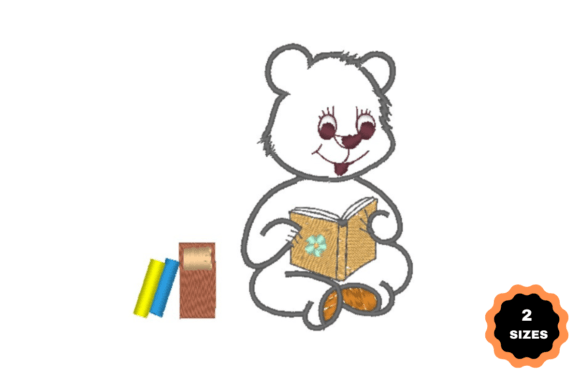
The initial appeal of Bear Studying lies in its narrative charm. Unlike generic animal silhouettes, this design captures a specific moment—a teddy bear engaged in study—which immediately injects personality into the textile. For a boutique brand, storytelling is key. The mood here is playful yet cozy, striking a balance between childish whimsy and a rustic, academic aesthetic that appeals to a broader demographic. When examining the digital preview, the detail level appears sufficient to convey the character’s expression without becoming overly complex. This is crucial for maintaining clarity when the design is scaled down for chest placements or enlarged for back prints.
The stitching personality seems to favor clean, defined lines rather than dense, heavy fills. This suggests a lighter hand on the fabric, which is ideal for maintaining the drape and softness of premium cotton blends. For an Etsy seller or creative entrepreneur, this means the final product will feel comfortable to wear, not stiff or board-like. The design feels decorative but not overwhelming, making it a versatile asset for various apparel types.
Visualizing Bear Studying on Sweatshirt Fabrics
Choosing the right canvas is half the battle in sweatshirt embroidery. I tested the visual impact of Bear Studying across several fabric scenarios commonly found in small shop inventories.
- Neutral Sweatshirts: On heather grey, oatmeal, or cream fabrics, the design shines. The contrast allows the thread colors to pop while maintaining a minimalist, high-end look. It feels intentional and curated.
- Dark Fabric: When placed on navy, charcoal, or black hoodies, the design requires careful thread selection. Lighter thread colors are essential to ensure the bear’s features remain visible. The darkness of the fabric can add a sense of depth, making the embroidered bear appear as if it is emerging from the shadows, adding a touch of mystery to the cute motif.
- Pastel Colors: For spring collections, pastel pink, mint, or lavender hoodies provide a soft backdrop. Here, Bear Studying leans into a feminine and gentle aesthetic. It is perfect for seasonal drops targeting customers who prefer subtle, sweet accents over bold statements.
- Oversized Hoodies: The trend toward oversized, cozy apparel benefits greatly from this design. Placed on the left chest, it acts as a subtle brand signature. Enlarged for the back, it becomes a statement piece that encourages customer engagement and social media sharing.
The versatility of Bear Studying allows it to adapt to different brand identities. Whether your boutique brand is rustic, modern, or playful, this embroidery file can be tailored through thread choice to fit your specific visual language.
Technical Considerations for Commercial Production
For those running a commercial embroidery operation or a home-based studio, technical reliability is non-negotiable. While the product description notes that this machine embroidery design comes with multiple formats, it is vital to check the specific stitch count and hoop size compatibility before production. These details are not explicitly listed in the brief description, so always verify the included files to ensure they match your machine’s capabilities.
Stitch density is a primary concern for sweatshirts. If the density is too high, the fabric may pucker or become rigid. Based on the visual complexity of Bear Studying, it appears to use a balanced approach, likely utilizing satin stitches for outlines and lighter fill stitches for the body. This is favorable for fabric texture preservation. However, using the correct stabilizer is critical. I recommend a cut-away stabilizer for sweatshirts to provide long-term support, especially since these garments undergo frequent washing. A tear-away might suffice for lighter fabrics, but for the thick loops of fleece or French terry, cut-away ensures the design remains flat and durable.
Another practical consideration is small-size readability. If you plan to use this as a sleeve accent or a small chest logo, ensure that the fine details of the bear’s studying props (such as books or glasses) do not merge together. Test sews on scrap fabric are essential to adjust tension and confirm that the thread colors provide enough contrast against your chosen garment color.
Enhancing Brand Identity and Product Value
In the competitive landscape of online retail, unique design assets can significantly boost buyer trust and brand identity. Bear Studying offers a distinctive element that separates your custom apparel from mass-produced alternatives. When customers see intricate, well-executed embroidery, they perceive higher value. This perception allows for better pricing power and improved profit margins for small business owners.
Furthermore, this design lends itself beautifully to lifestyle product photography. A close-up shot of the embroidered bear on a cozy hoodie sleeve can evoke feelings of warmth and comfort, driving emotional connections with potential buyers. For your Etsy listings or website, using high-quality printable mockup images alongside real photos of the finished product can enhance visual recognition. Showcasing the texture of the threads against the softness of the sweatshirt helps customers visualize the tactile experience, reducing hesitation in purchasing.
Placement Strategies for Maximum Impact
Where you place Bear Studying can change the entire vibe of the garment. Here are three strategic placement ideas for your next drop:
- Left Chest Pocket Area: This is the classic spot for boutique branding. It is subtle, professional, and allows the customer to layer jackets over the hoodie without hiding the design. It works exceptionally well for creating a cohesive look if you offer matching sets.
- Center Back: For a bolder statement, enlarge the design for the upper back. This placement turns the sweatshirt into a canvas for art. It is particularly effective for oversized fits where the back panel provides ample space for detailed embroidery.
- Sleeve Accent: Placing a smaller version of the bear on the lower sleeve adds a unique, unexpected detail. This placement is trendy and appeals to customers looking for distinctive, fashion-forward pieces. It also serves as a great upsell opportunity for custom orders.
Final Verdict for Small Shop Owners
In conclusion, Bear Studying is a strong contender for any embroidery designer looking to expand their library of versatile, character-driven motifs. It bridges the gap between cute and sophisticated, making it suitable for a wide range of audiences. While the provided description is brief, emphasizing that it gives fabrics an extraordinary look, the real value lies in its application. By paying attention to hoop size, stabilizer choice, and thread contrast, you can ensure a high-quality finished product that stands up to commercial standards.
For Teddy Bears enthusiasts and lovers of cozy Embroidery alike, this design offers a charming way to personalize apparel. Remember to download the full digital embroidery file package to access all necessary formats and verify technical specs before starting your production run. With careful execution, Bear Studying can become a signature element of your boutique brand, driving customer engagement and elevating your handmade presentation.